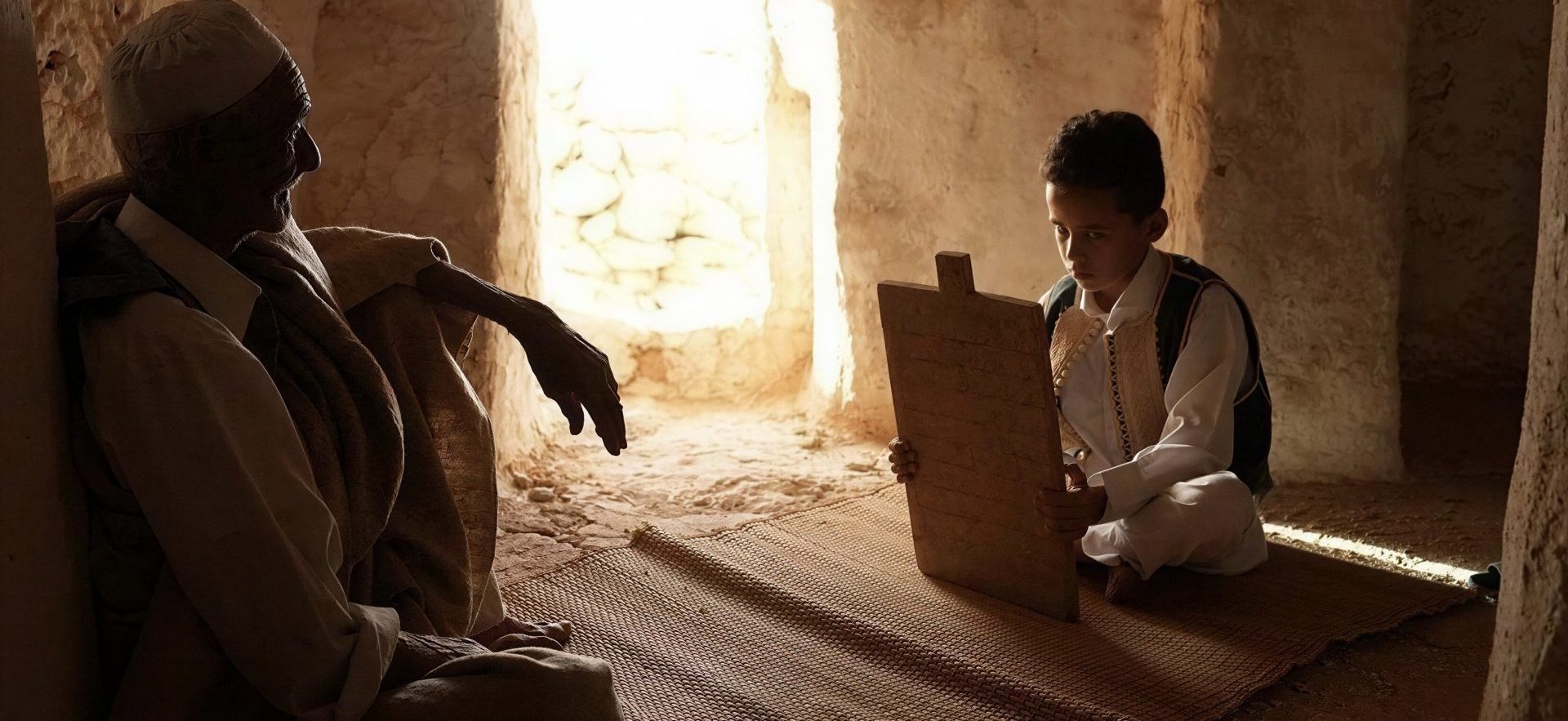
The Riwaqs of Al-Azhar: How Ordinary Muslims Funded a Millennium of Scholarship
A riwaq (plural: arwiqa) at Al-Azhar Mosque in Cairo was a residential college and study hall organised by a student's geographic origin or legal school (madhhab). Funded entirely by charitable Islamic endowments (awqaf), the riwaq system provided free housing, teacher stipends, lamp oil, and a daily bread ration (jiraya) so students could study full-time.
When a young student of sacred knowledge arrived in Cairo from Fez, Damascus, Timbuktu, or Lahore five hundred years ago with nothing in his pocket, he did not need to ask how he would pay tuition or where he would sleep. Inside Al-Azhar, a hall already bore the name of his homeland, a locker held space for his books, and an endowment established by people he would never meet paid for his daily bread.
For nearly a millennium, this network of residential halls turned a single mosque in Cairo into the intellectual heart of the Sunni world.
What Is a Riwaq at Al-Azhar?
In classical Arabic architecture, a riwaq (رِوَاق) means a portico or roofed gallery surrounding a mosque courtyard. At Al-Azhar, the word took on an institutional meaning: a self-contained residential and academic department within the mosque complex, similar to the later collegiate systems of Oxford and Cambridge.
Formal resident scholarship at Al-Azhar began in 988 CE when 35 jurists were appointed with regular stipends and housing next to the mosque. Under the Mamluk and Ottoman eras—led by patrons like Sultan Qaitbay and the 18th-century builder Abd al-Rahman Katkhuda—Al-Azhar expanded into 29 major residential riwaqs.
A newly arrived student (mujawir) registered with the Shaykh al-Riwaq (head of the hall), who verified his background, assigned him a sleeping space, and enrolled him in the hall's register for daily provisions.
How Waqf and the Jiraya Sustained Students
Al-Azhar educated, housed, and fed thousands of students without charging tuition fees because the entire ecosystem ran on waqf (charitable endowments).
Merchants, artisans, scholars, widows, and rulers legally dedicated revenue-generating properties—shops, agricultural fields, grain mills, and apartment buildings—to specific riwaqs. By the terms of the endowment deed (waqfiyya), the income flowed directly into the daily needs of scholars and students:
The Jiraya (Daily Bread Ration): Every registered student and teacher received a fixed allowance of loaves of bread baked in dedicated endowment bakeries. The historian al-Jabarti recorded that the jiraya was the lifeline of the students; any delay in bread rations prompted immediate scholar strikes in Cairo.
Lamp Oil and Housing: Endowments paid for olive and linseed oil so students could read manuscripts after the night prayer (Isha), alongside sleeping quarters and wooden lockers (dawali) for books and bedding.
Seasonal Stipends: During Ramadan, Eid, and Mawlid seasons, endowments distributed meat, lentil soup, sugar, soap, and a yearly clothing allowance.
Endowed Libraries: Because hand-copied manuscripts were expensive, donors placed classical texts into each riwaq's library (kutub mawqufa) so poor students could borrow pages to copy and memorise.
Why the Riwaq Model Matters Today
The riwaq system rested on a simple reality: sacred knowledge requires uninterrupted time.
Mastering Arabic grammar, legal theory, hadith, and theology takes years of close study under qualified teachers. Because the riwaqs were funded by community endowments rather than commercial tuition, scholars remained independent and a student from a poor village stood on equal footing with the son of a merchant.
The donors who endowed a bread oven in Cairo or a shelf of manuscripts in Riwaq al-Shawam four hundred years ago never knew the names of the students who ate that bread or read those pages. Yet through ongoing charity (sadaqah jariyah) and beneficial knowledge, they share in the reward of every lesson taught and every community served by the graduates of those halls.
At Supporting Sunni Scholars, our work continues this tradition. Through year-round Cost-of-Living and Tuition Grants, Sponsor a Scholar monthly giving, and supporting the publication of foundational texts for students in Cairo and beyond, our purpose is the same: freeing scholars and students to serve their communities.
WHAT DO WE OFFER STUDENTS
We aim to financially aid and assist students through numerous avenues.Primarily, we aim to provide grants to students covering the cost of Tuition Fees, Maintenance, Book Costs